



The Department of Computer Science and Engineering in Artificial Intelligence and Machine Learning (CSE – AI & ML) was established in the year 2021 with an intake of 60. Over the years, it has grown by leaps & bounds and the current intake is 300.
AI&ML— Artificial Intelligence (AI) and Machine Learning (ML)—represents an important evolution in computer science and data processing that is quickly transforming a vast array of industries. Artificial intelligence (AI) refers to the development of computer systems that mimic a human brain and enable them to perform tasks that usually require human intelligence.
Machine learning is a specific form of AI that allows computers to learn and grow after they are introduced to scenarios in the form of data. As businesses and other organizations undergo digital transformation, they’re faced with a growing tsunami of data that is at once incredibly valuable and increasingly burdensome to collect, process and analyze. New tools and methodologies are needed to manage the vast quantity of data being collected, to mine it for insights and to act on those insights when they’re discovered.
Artificial intelligence and machine learning give organizations a way to extract value out of the troves of data they collect, delivering business insights, automating tasks and advancing system capabilities. AI/ML has the potential to transform all aspects of a business by helping them achieve measurable outcomes including: Increasing customer satisfaction, offering differentiated digital services, Optimizing existing business services, Automating business operations, increasing revenue and reducing costs.
NEWS LETTER (CSM) : 2025 2024(Jan-June) 2024(July-Dec) 2023(Jan-June) 2023(July-Dec) 2022
Magazine (CSB) : June-2025 June-2024 Dec-2024
Vision:
The department aims to become a leader in the field of education, training and research in emerging technologies of computer science with managerial skills and social values.
Mission:
M1: To facilitate competent industry relevant education through teaching learning process.
M2: To inculcate interest on research and innovation through critical thinking.
M3: To impart values and ethics for prospective and promising engineering.
Program Outcomes:
Engineering Graduates will be able to:
- Engineering knowledge: Apply the knowledge of mathematics, science, engineering fundamentals, and an engineering specialization to the solution of complex engineering problems.
- Problem analysis: Identify, formulate, review research literature, and analyze complex engineering problems reaching substantiated conclusions using first principles of mathematics, natural sciences, and engineering sciences.
- Design/development of solutions: Design solutions for complex engineering problems and design system components or processes that meet the specified needs with appropriate consideration for the public health and safety, and the cultural, societal, and environmental considerations.
- Conduct investigations of complex problems: Use research-based knowledge and research methods including design of experiments, analysis and interpretation of data, and synthesis of the information to provide valid conclusions.
- Modern tool usage: Create, select, and apply appropriate techniques, resources, and modern engineering and IT tools including prediction and modeling to complex engineering activities with an understanding of the limitations.
- The engineer and society: Apply reasoning informed by the contextual knowledge to assess societal, health, safety, legal and cultural issues and the consequent responsibilities relevant to the professional engineering practice.
- Environment and sustainability: Understand the impact of the professional engineering solutions in societal and environmental contexts, and demonstrate the knowledge of, and need for sustainable development.
- Ethics: Apply ethical principles and commit to professional ethics and responsibilities and norms of the engineering practice.
- Individual and team work: Function effectively as an individual, and as a member or leader in diverse teams, and in multidisciplinary settings.
- Communication: Communicate effectively on complex engineering activities with the engineering community and with society at large, such as, being able to comprehend and write effective reports and design documentation, make effective presentations, and give and receive clear instructions.
- Project management and finance: Demonstrate knowledge and understanding of the engineering and management principles and apply these to one’s own work, as a member and leader in a team, to manage projects and in multidisciplinary environments.
- Life-long learning: Recognize the need for, and have the preparation and ability to engage in independent and life-long learning in the broadest context of technological change.
Program Specific Outcomes:
Students will be able to
PSO1: Design, Identify and Apply Computing techniques and resources for solving real time engineering problems.
PSO2: Identify and Understand the emerging tools of Artificial Intelligence and Machine Learning.
PSO3: Understand algorithmic analysis and decision making skills in the field of Artificial Intelligence and Machine learning.
Program Educational Objectives:
The Program Educational Objectives (PEOs) of the under graduate programme in CSE- Artificial Intelligence (CSM) and Machine learning at G. Pulla Reddy Engineering College (Autonomous) Kurnool are to prepare graduates to possess the ability to
PEO1: Analyze, Design and Develop computer based systems and applications using emerging areas of computer Science.
PEO2: Be engineering professionals, innovators, entrepreneurs engaged in their profession with social awareness and ethical values.
PEO3: Work in teams in multi-disciplinary areas to address the needs of society.
PEO4: Adapt to emerging technologies by engaging themselves in lifelong learning.
PROGRAM: B.Tech (CSE – AI & ML)
INTAKE:300
PROGRAM: B.Tech (CSE – AI & ML) – Honors Degree
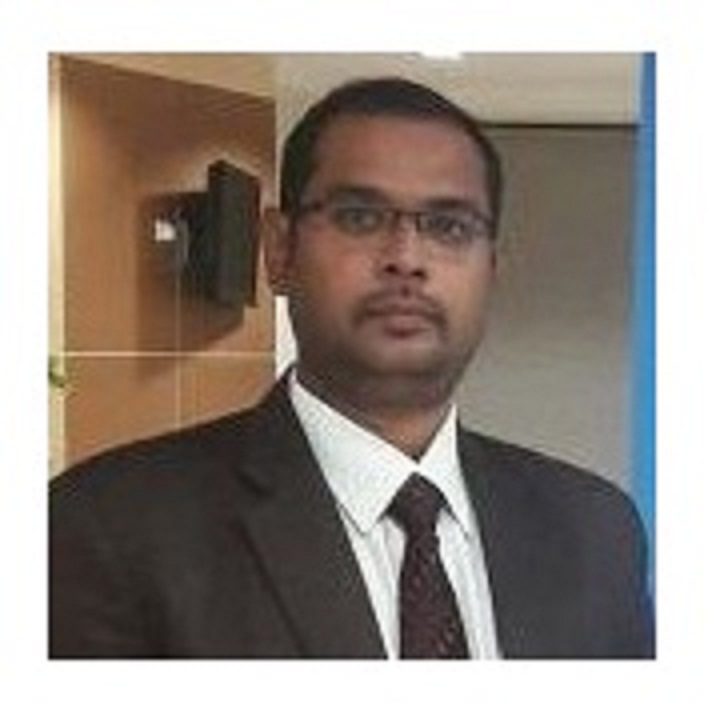
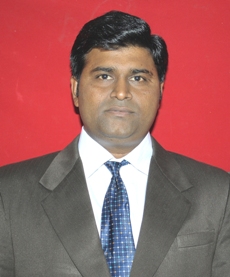
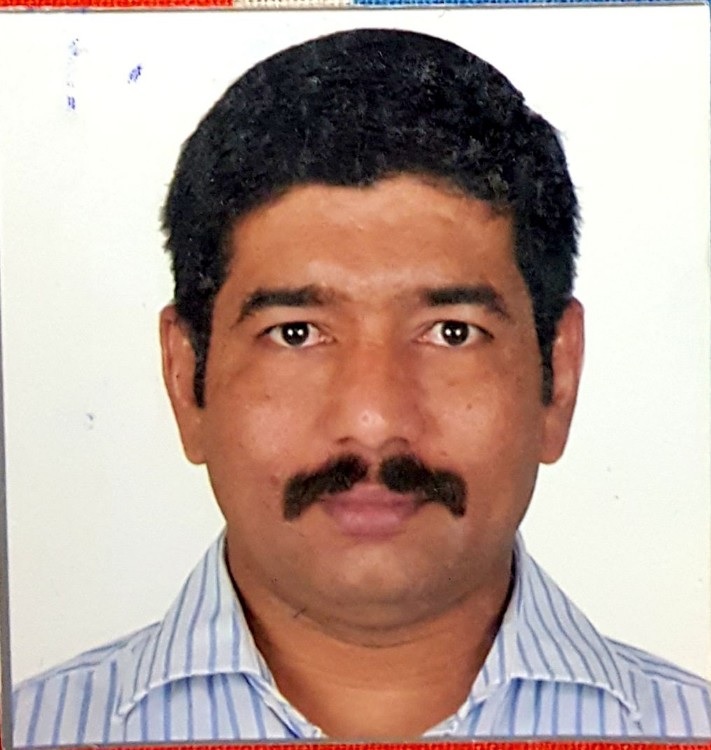
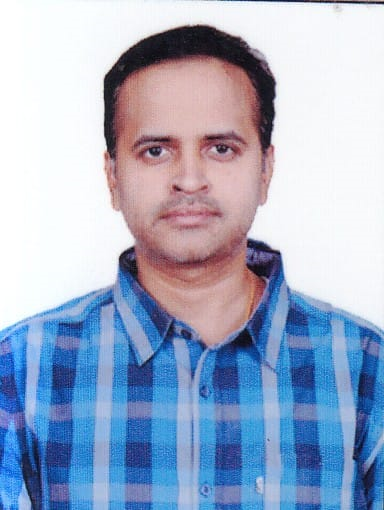
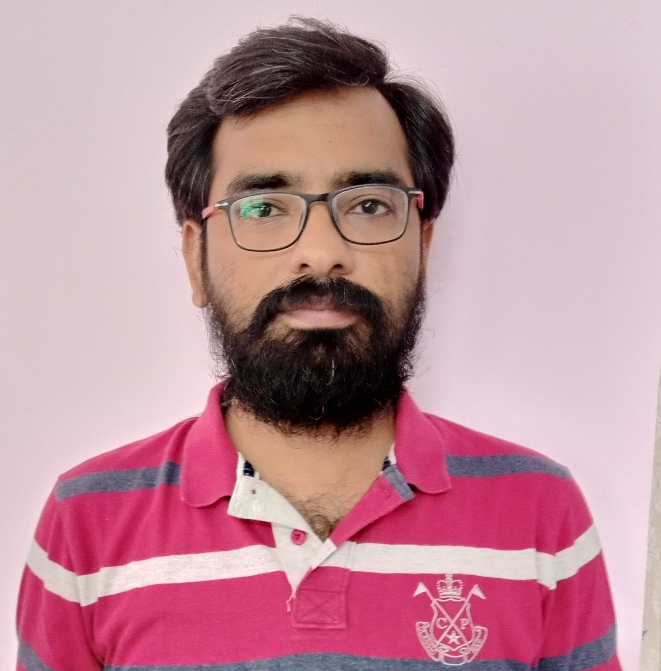
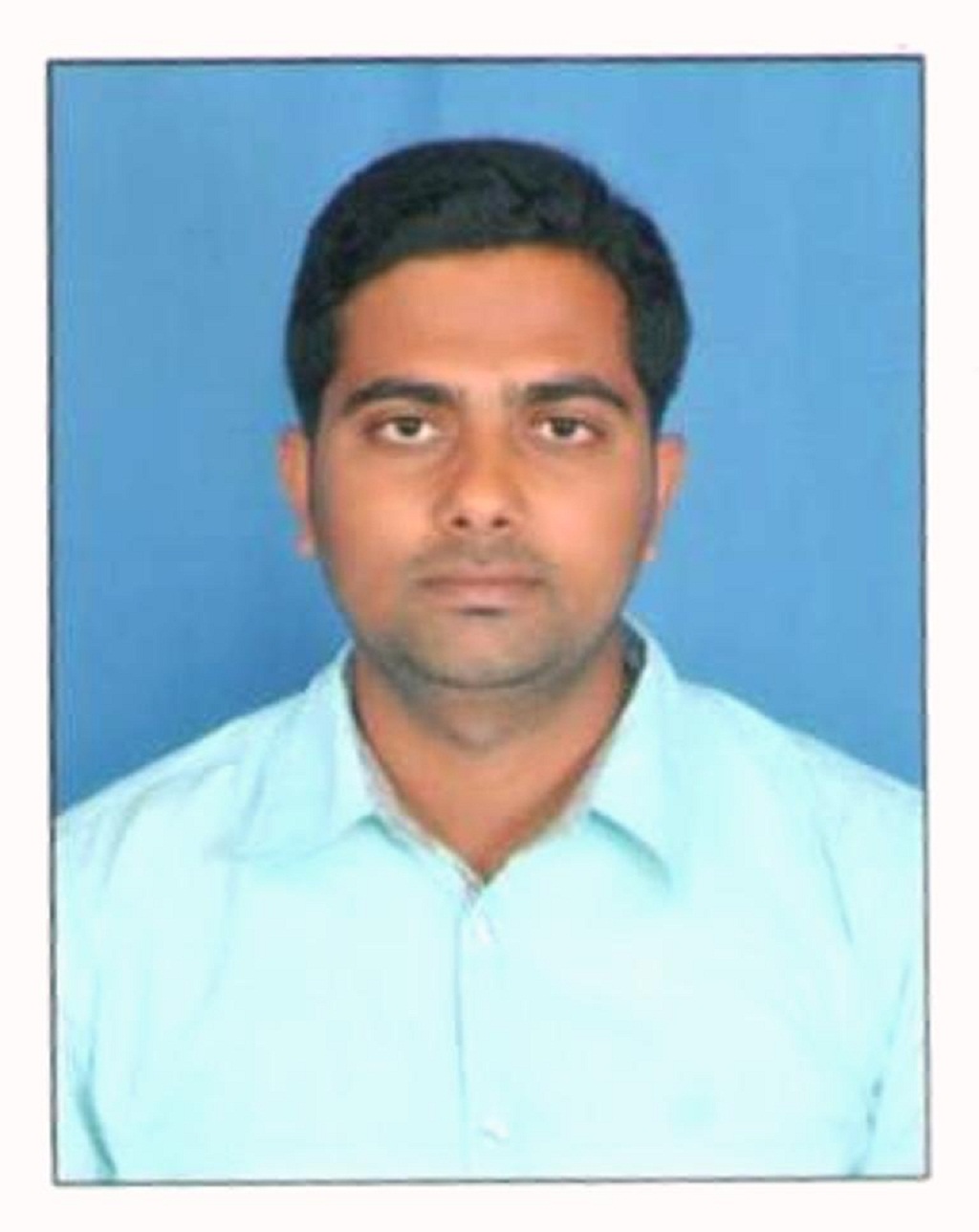
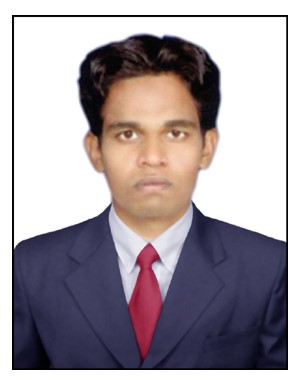
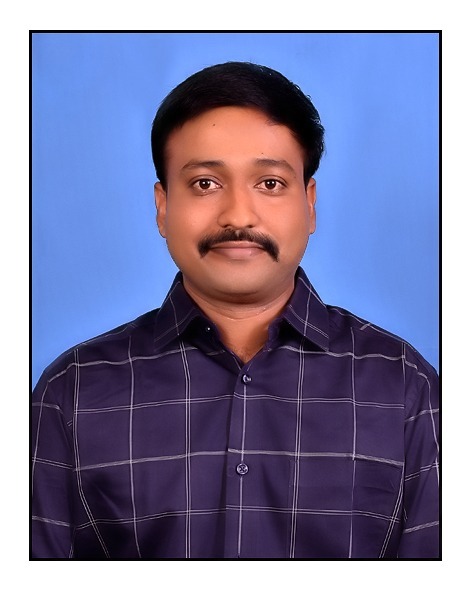
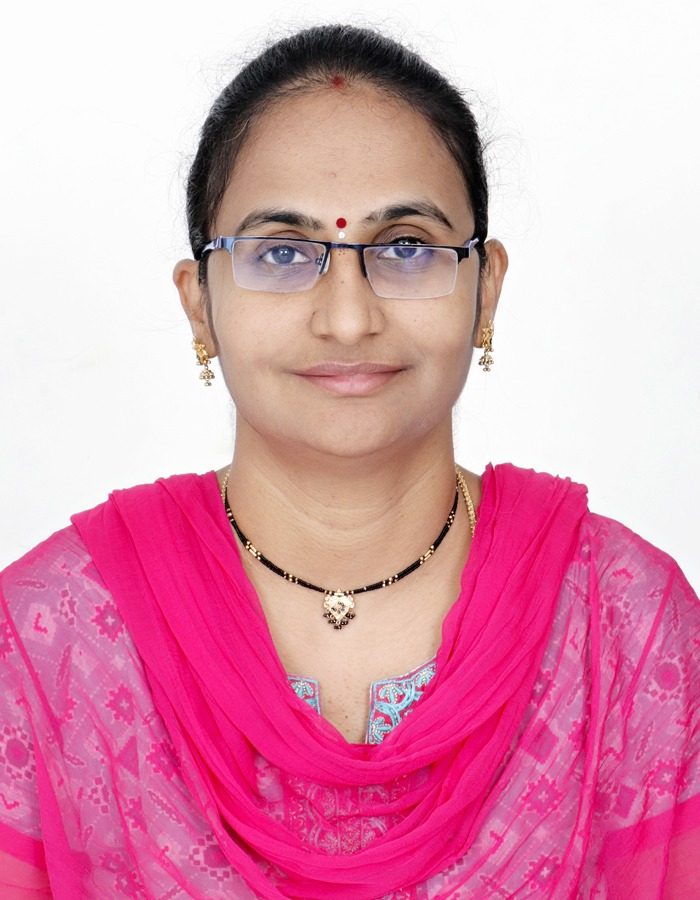
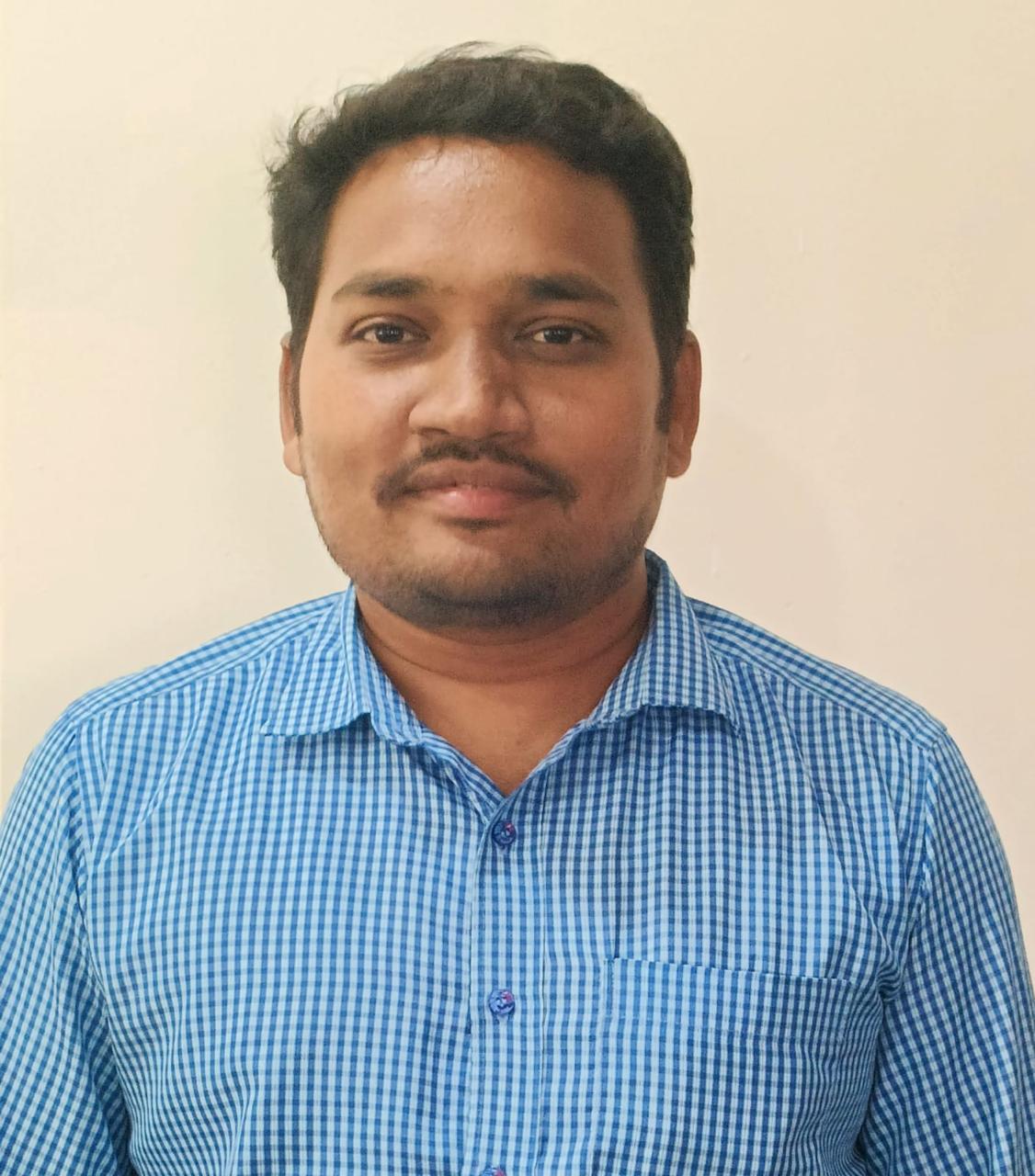
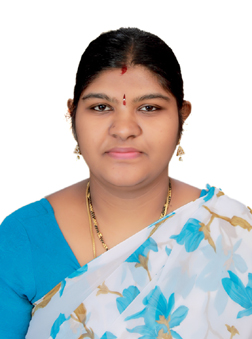
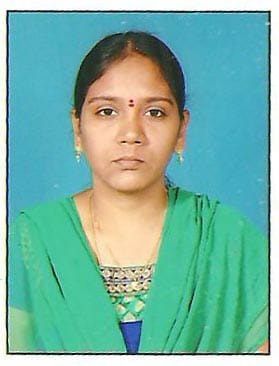
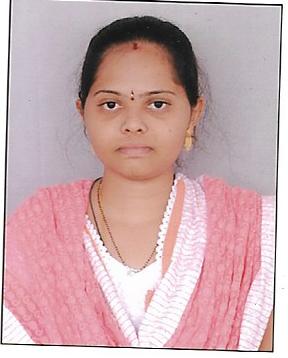
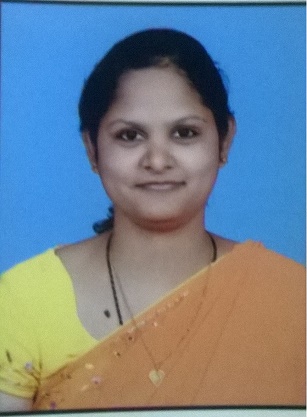
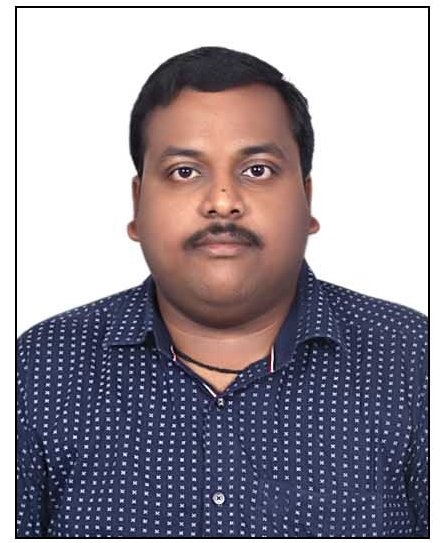
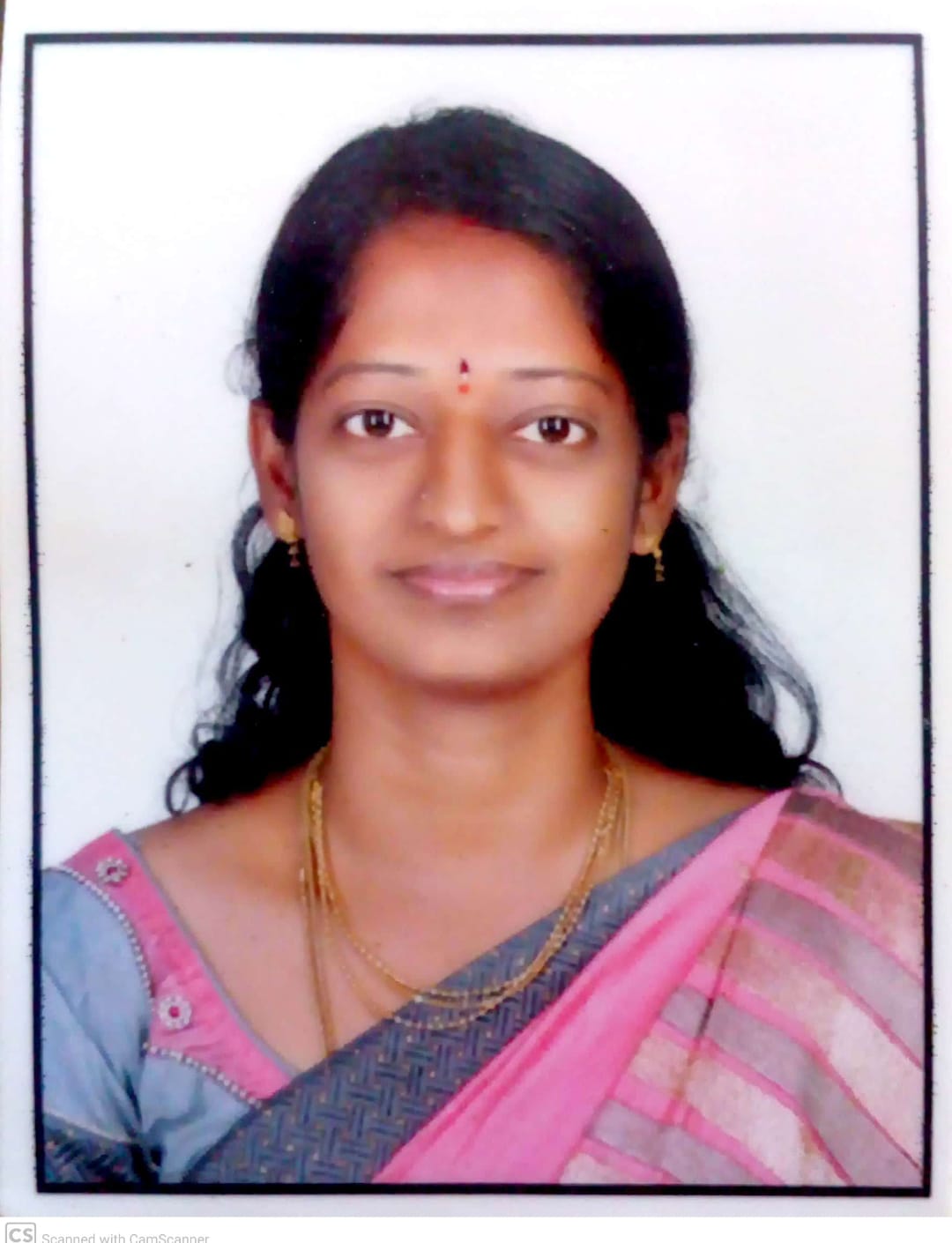
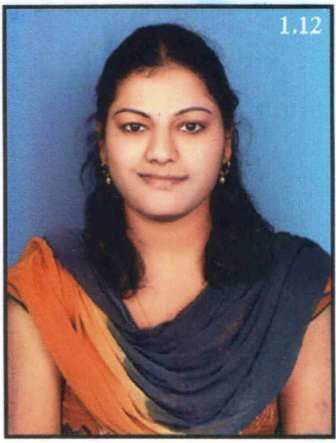
Faculty Profiles
 |
|
 |
|
 |
|
 |
|
 |
|
 |
|
 |
|
 |
|
 |
|
 |
|
 |
|
 |
|
 |
|
 |
|
 |
|
 |
|
 |
|
 |
|
 |
|
 |
|
 |
|
 |
|
 |
|
 |
|
 |
|
 |
|
 |
|
 |
|
 |
|
 |
|
 |
|
 |
|
 |
|
 |
|
 |
|
 |
|
 |
|
 |
|
 |
|
 |
|
 |
|
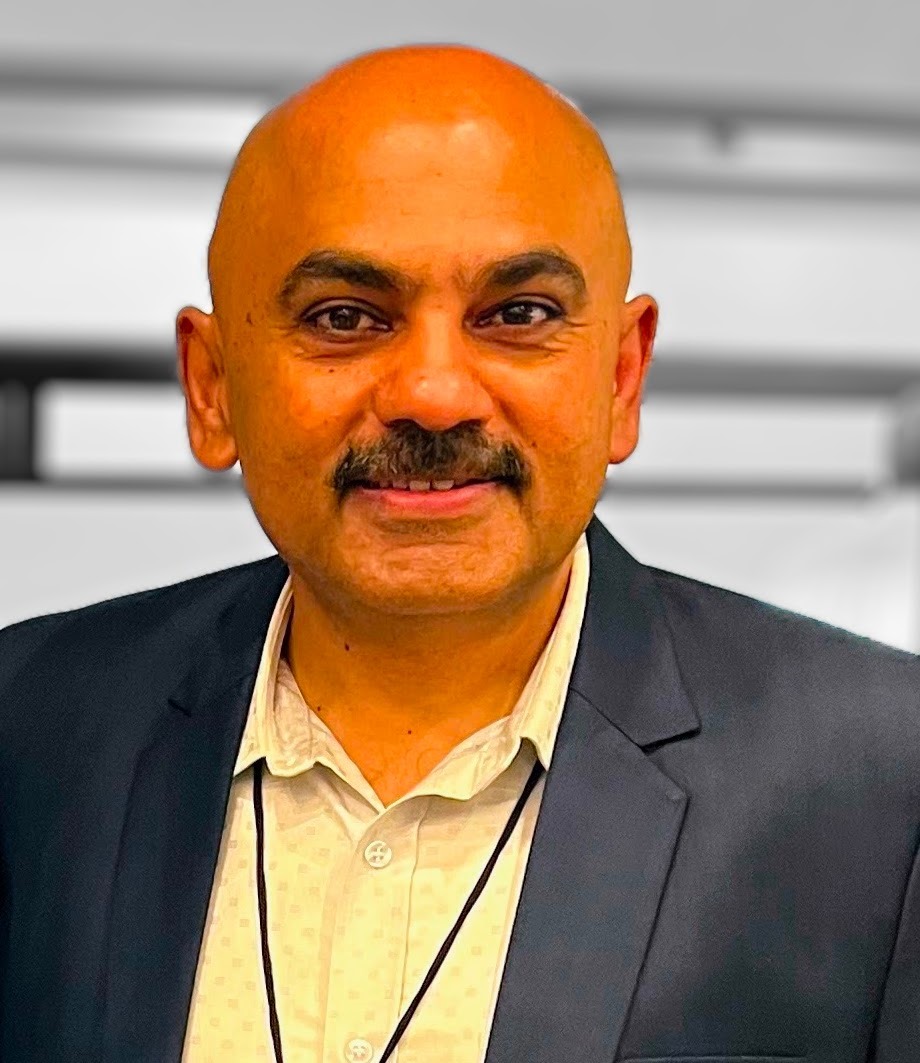
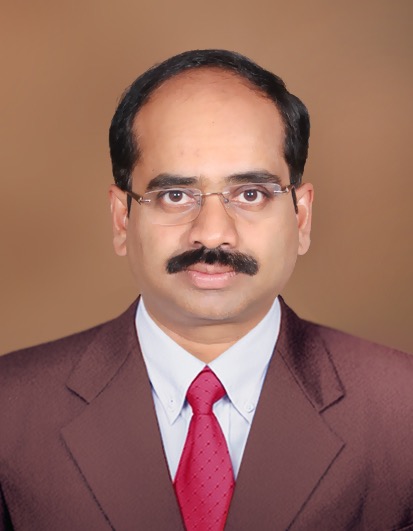
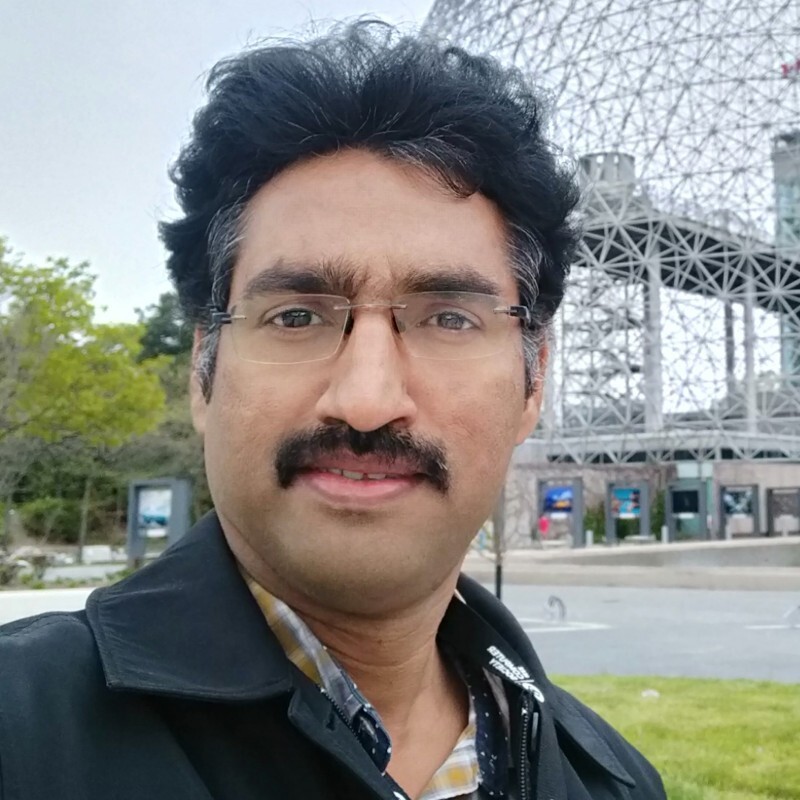
GUEST Faculty
 |
|
 |
|
 |
|
 |
|
CSM(AI&ML) – Non Teaching Staff – Click Here
G. Pulla Reddy Engineering College (Autonomous) :: Kurnool
Proceedings of the Chairman, Joint Boards of Studies
Constitution of Board of Studies in CSE(AI & ML)
Date: 12.04.2025
The Board of Studies for Computer Science & Engineering (Artificial Intelligence & Machine Learning) has been newly constituted with the following members. The tenure of the board is three years.
| Sl. No. | External Member | Internal Member |
|---|---|---|
| 1 | Dr. R. Rajasekhar Professor, Dept. of Computer Science & Engineering JNTUA University, Ananthapuramu-515002 Phone: 9966660226 Email: drasharaj2002.cse@jntua.ac.in Nominated by JNTUA |
Dr. R. Praveen Sam HoD CSM & Chairman, BoS G.P.R. Engineering College, Kurnool |
| 2 | Dr. K. Sathya Babu Associate Professor, Dept. of CSE IIITDM Kurnool Email: ksb@iiitk.ac.in Phone: 8249892662 Nominated by Academic Council |
Dr. K. Govardhan Reddy Professor of CSM G.P.R. Engineering College, Kurnool |
| 3 | Dr. Tripti Swarnkar Professor in Computer Science NIT Raipur, Chhattisgarh – 492010 Email: tswarnkar.mca@nitrr.ac.in Phone: 9437130794 Nominated by Academic Council |
Dr. Y. Rama Mohan Associate Professor of CSM G.P.R. Engineering College, Kurnool |
| 4 | Mr. Vijaya Kumar Buntupalli Director, Release Management Kore.ai Software Pvt. Ltd., Hyderabad – 500081 Phone: 9886087527 Email: vijayakumar.buntu@kore.ai |
Dr. A. Vishnuvardhan Reddy Associate Professor of CSM G.P.R. Engineering College, Kurnool |
| 5 | Dr. R. P. Jagadeesh Chandra Bose Chief Data Scientist, Skan.AI, Bangalore Phone: 9538445353 Email: jcbose@gmail.com |
Dr. G. Raghu Ram Professor of CSM G.P.R. Engineering College, Kurnool |
| 6 | Dr. K. Srikanth Associate Professor of CSM G.P.R. Engineering College, Kurnool |
Joint Boards of Studies
PROGRAM: B.Tech (CSM)
SYLLABUS FOR I B.TECH : Scheme-2020 (Common for CSM & CSD Branches) Scheme-2023
SYLLABUS FOR II, III, IV B.TECH : Scheme-2020
SYLLABUS FOR II B.TECH : Scheme-2023
SYLLABUS FOR III,IV Year B.TECH : Scheme-2023
HONORS DEGREE
SYLLABUS FOR HONORS DEGREE IN CSE (AI&ML) : Scheme-2020 Scheme-2023
MINOR DEGREE
SYLLABUS FOR MINOR DEGREE IN DATA SCIENCE ( Non CSE Students) : Scheme-2020
ACADEMIC REGULATIONS FOR UG (B.Tech): Scheme-2020(Revised) Scheme-2023-Regulations(with-amendments-as-directed-by-JNTUA)
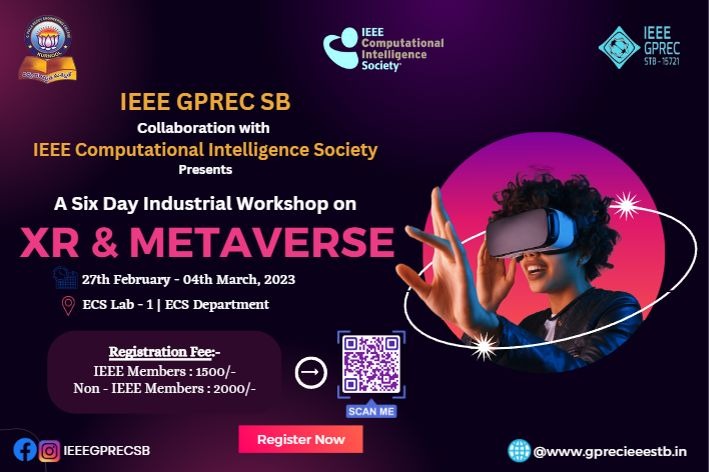
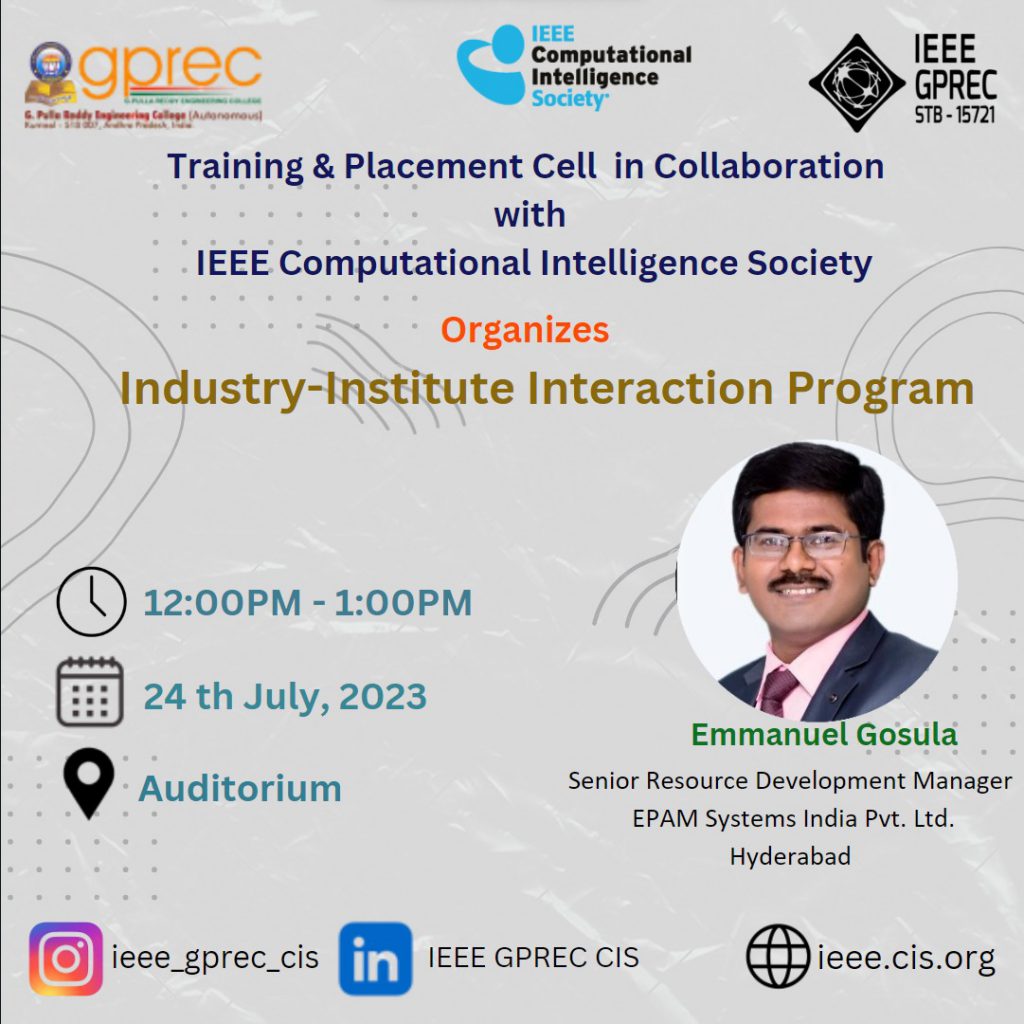
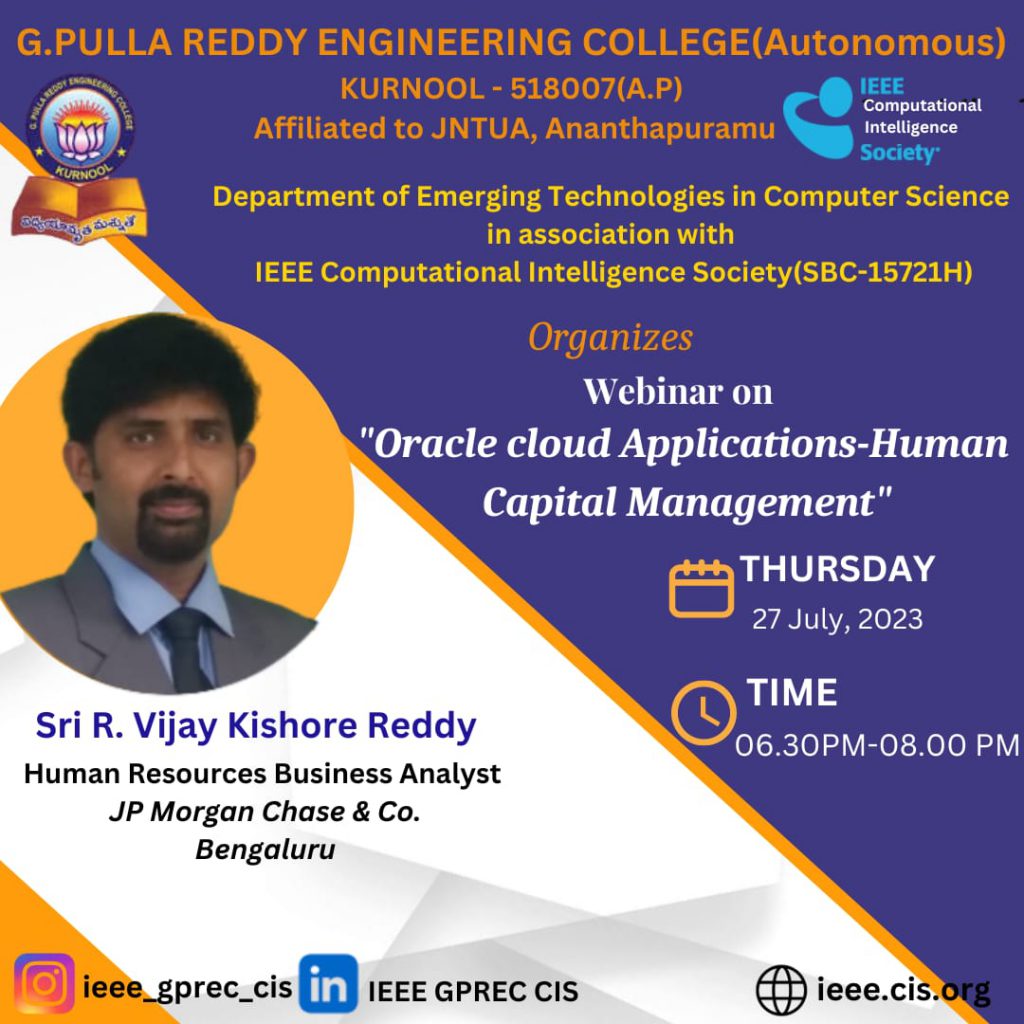
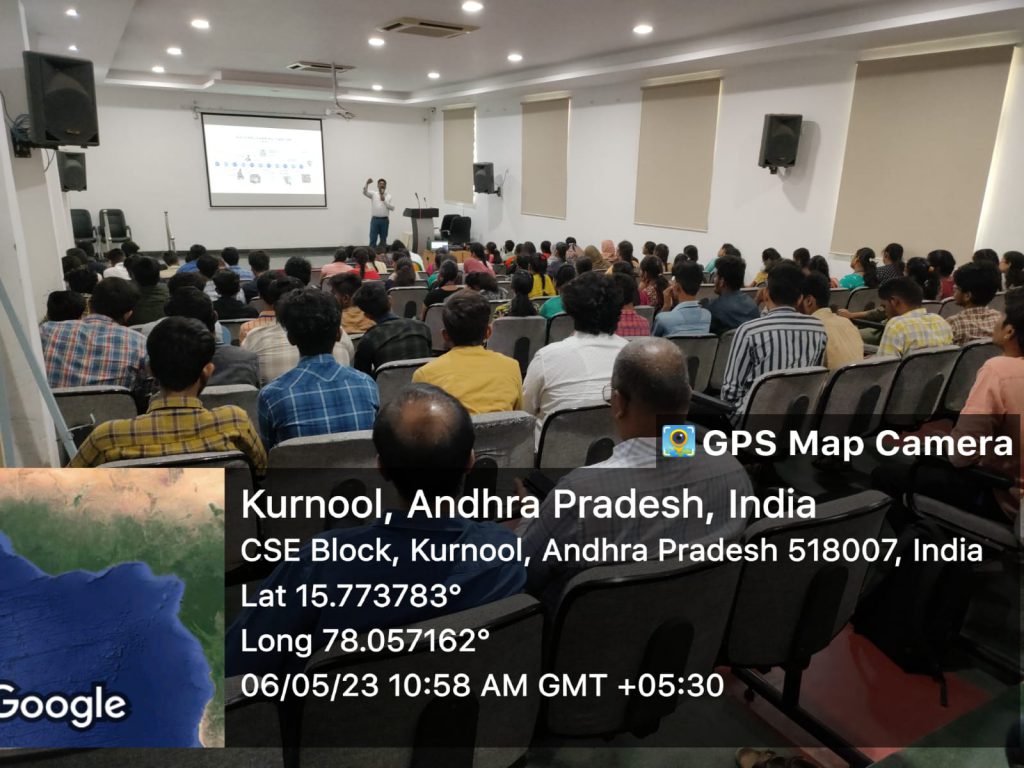
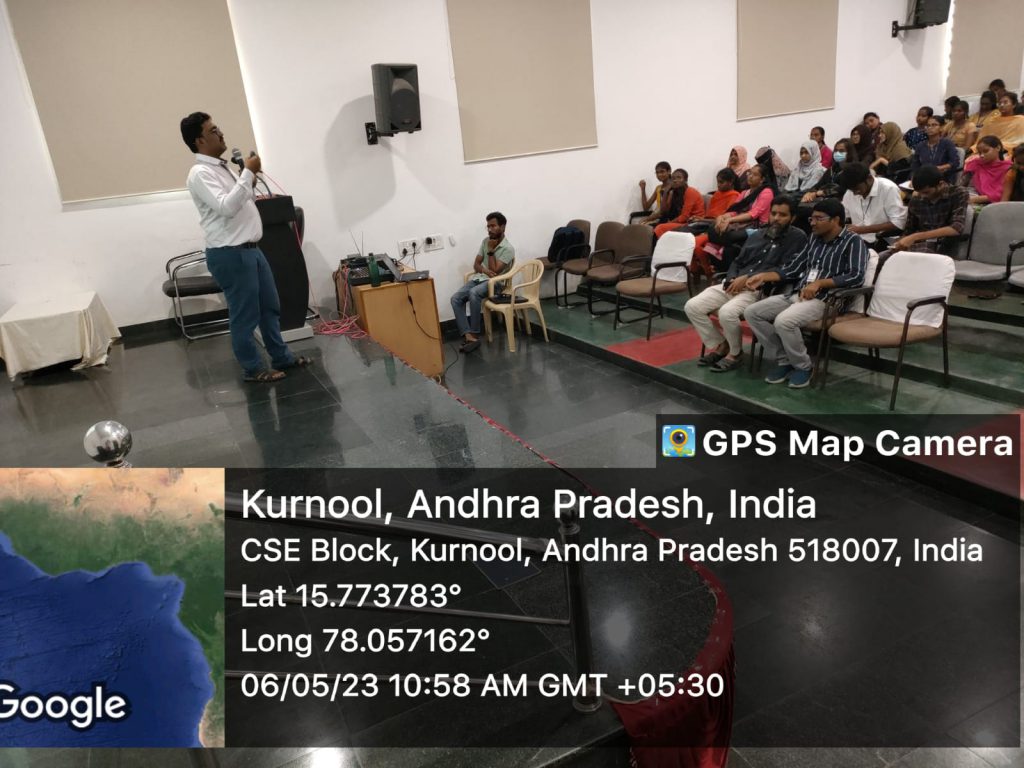
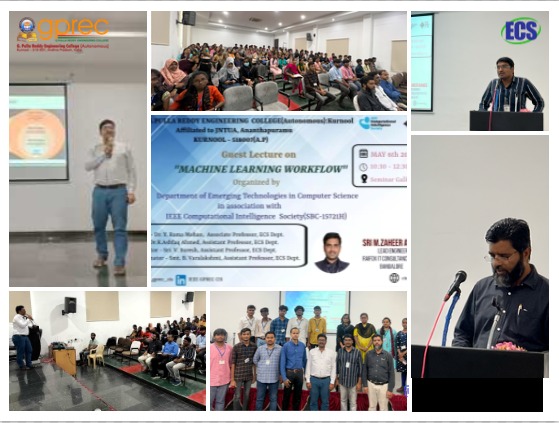
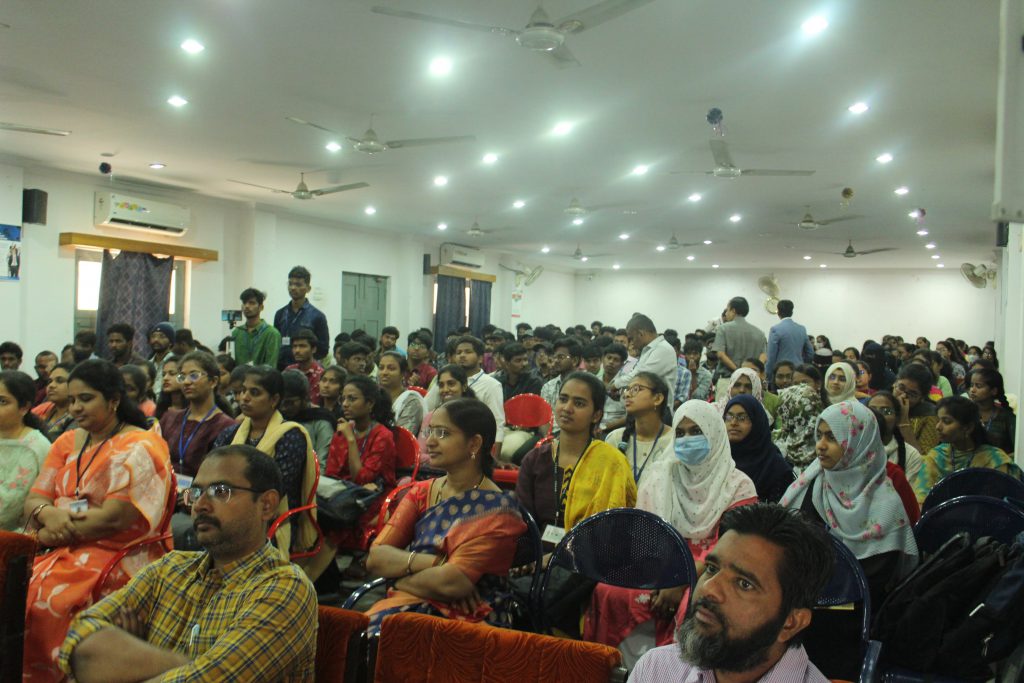
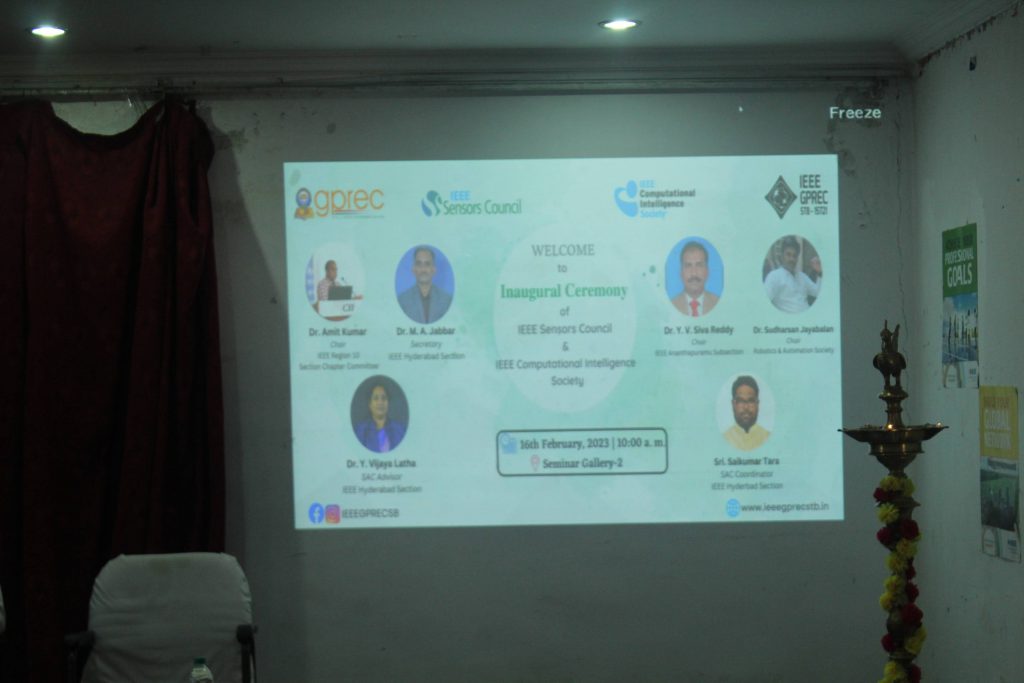
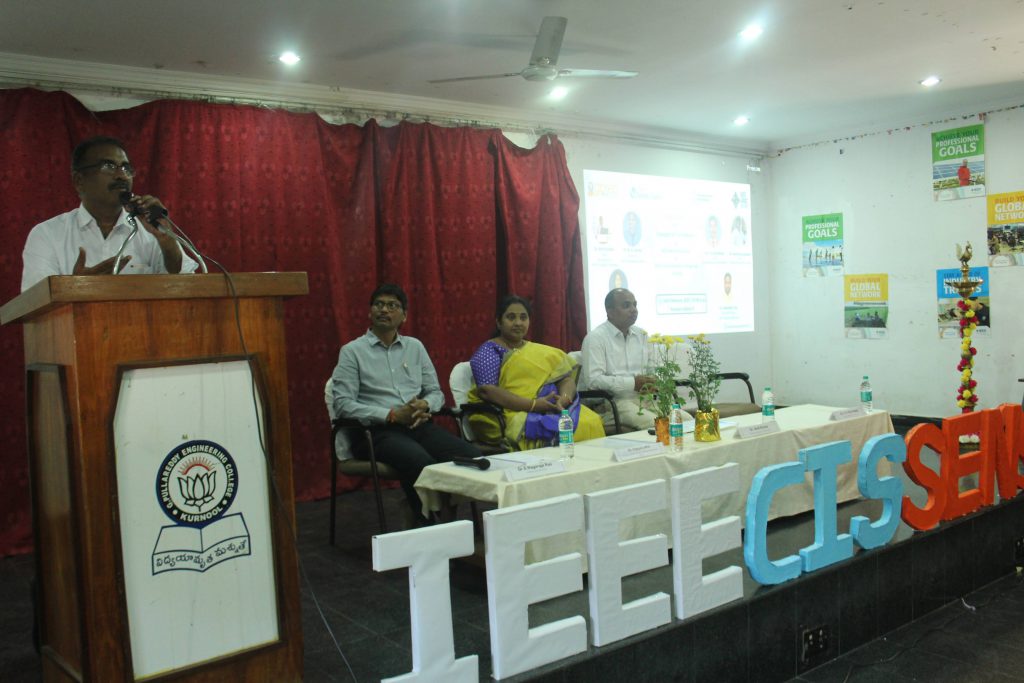
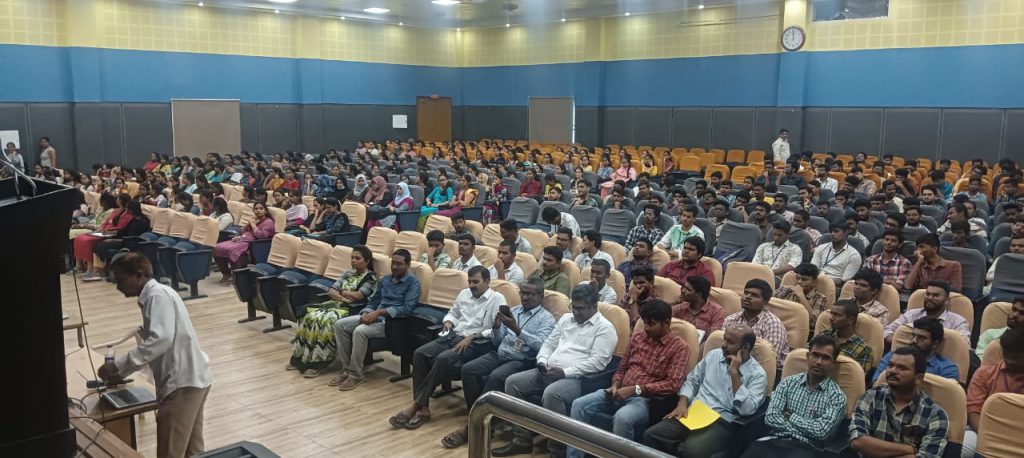
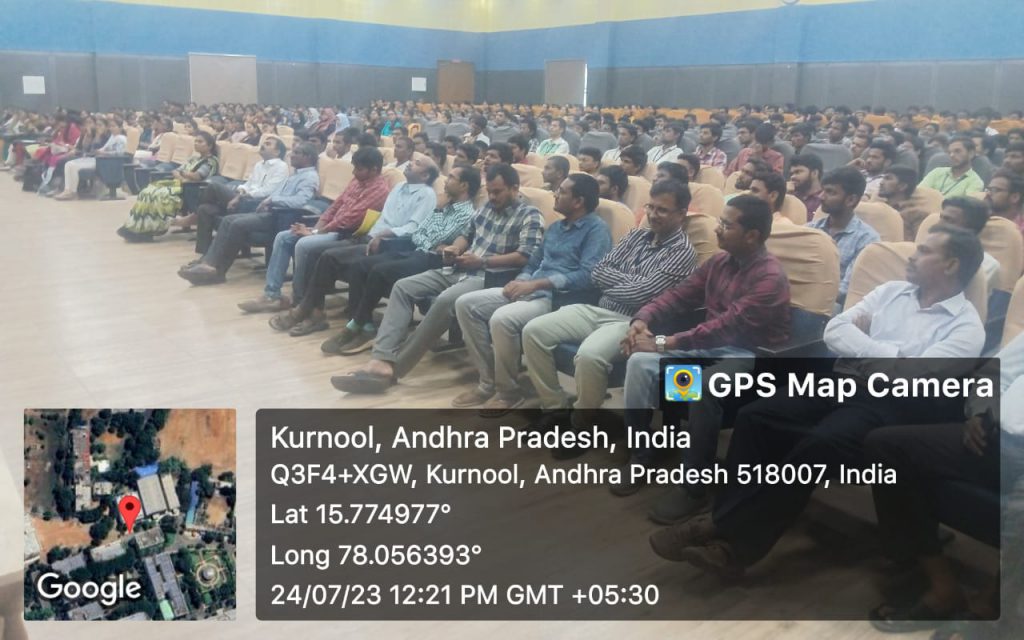
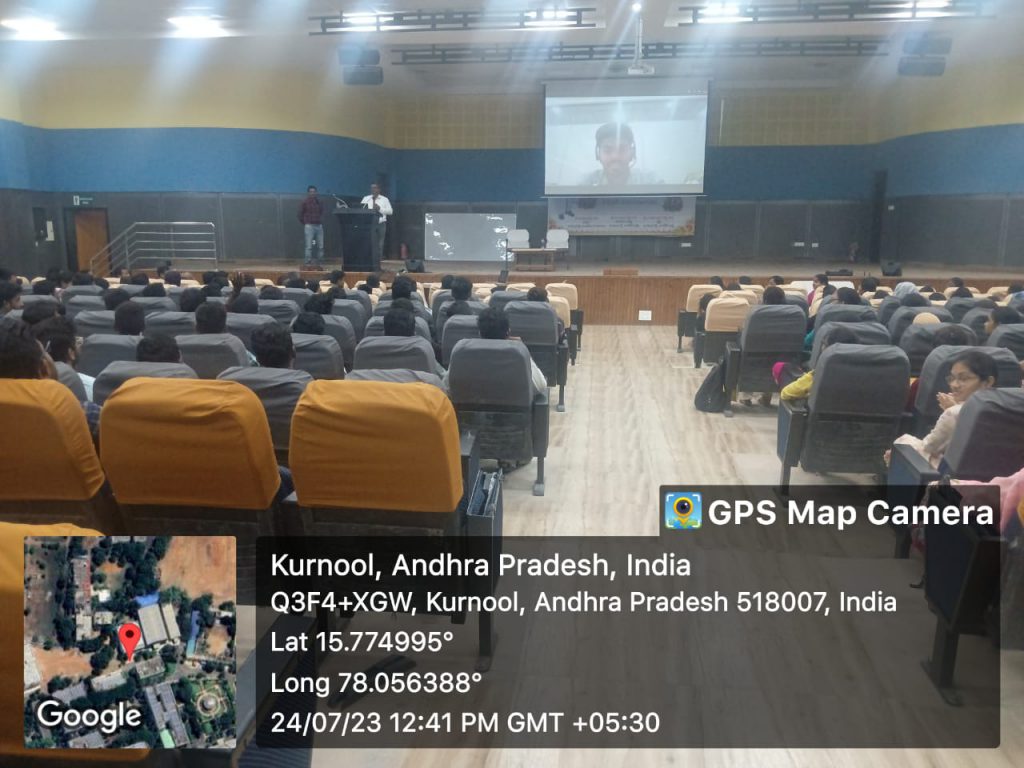
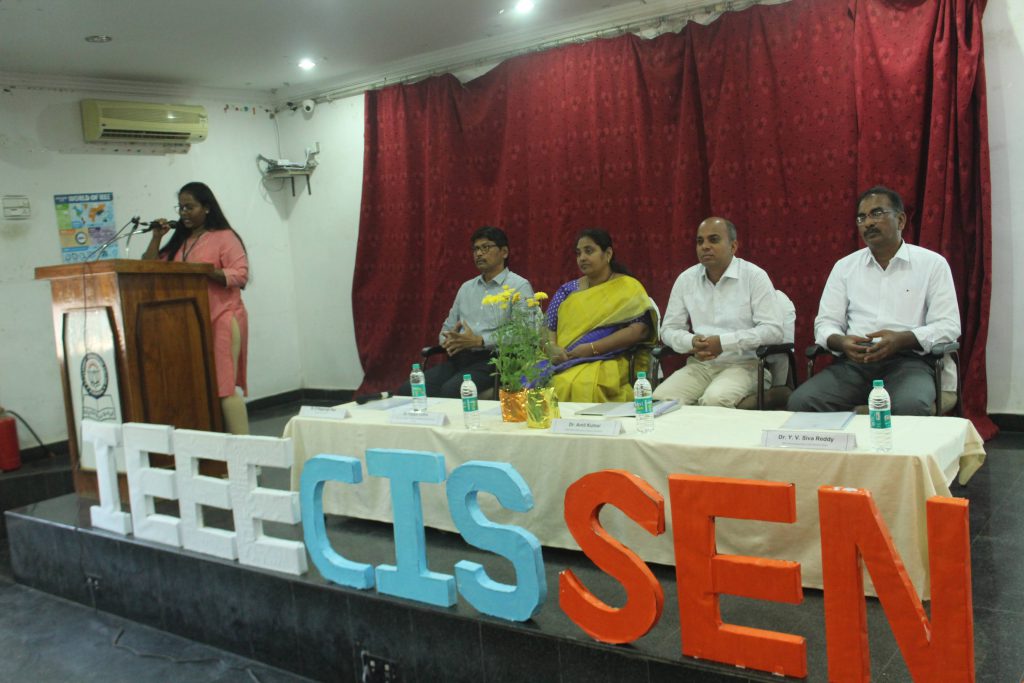
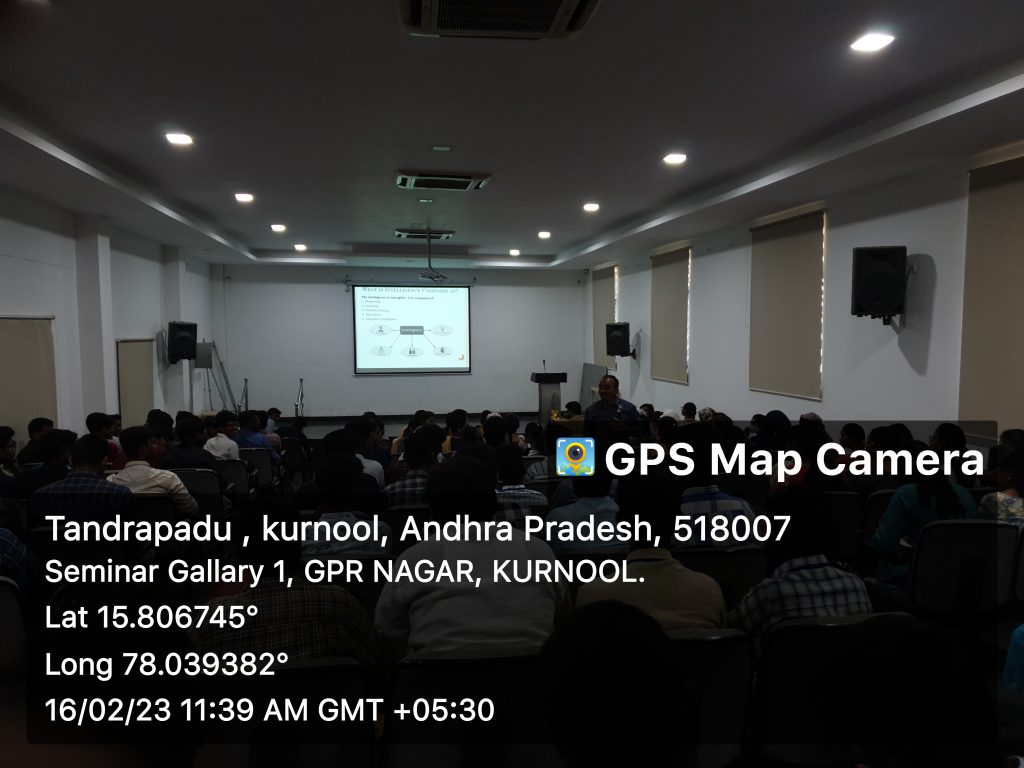
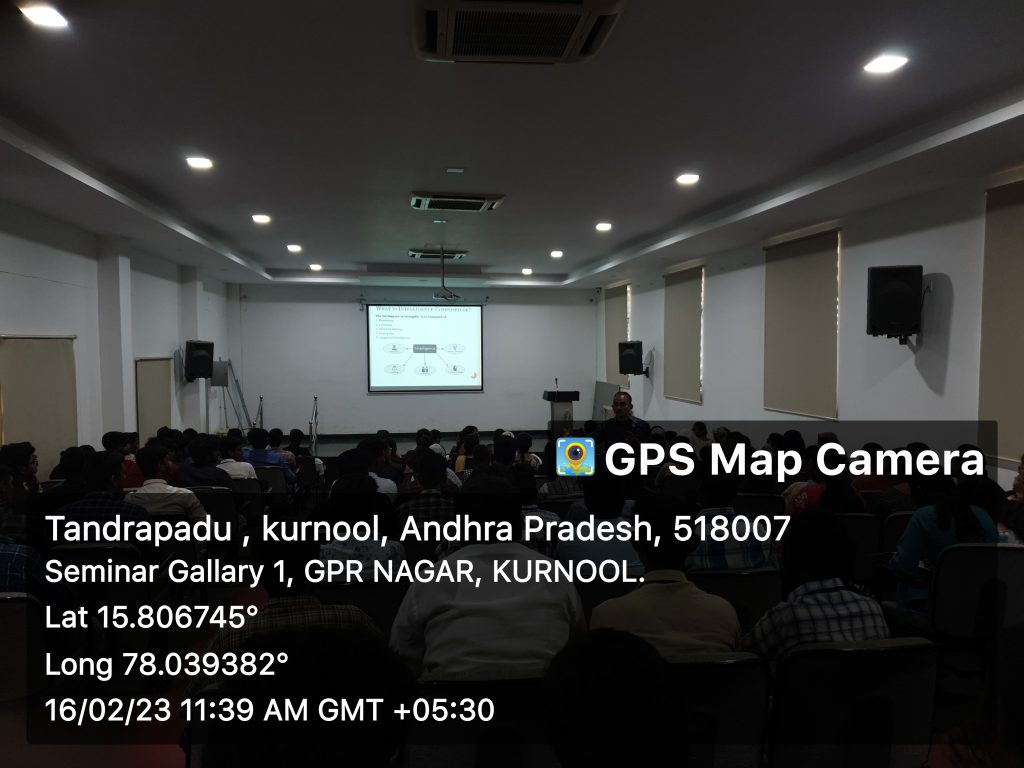
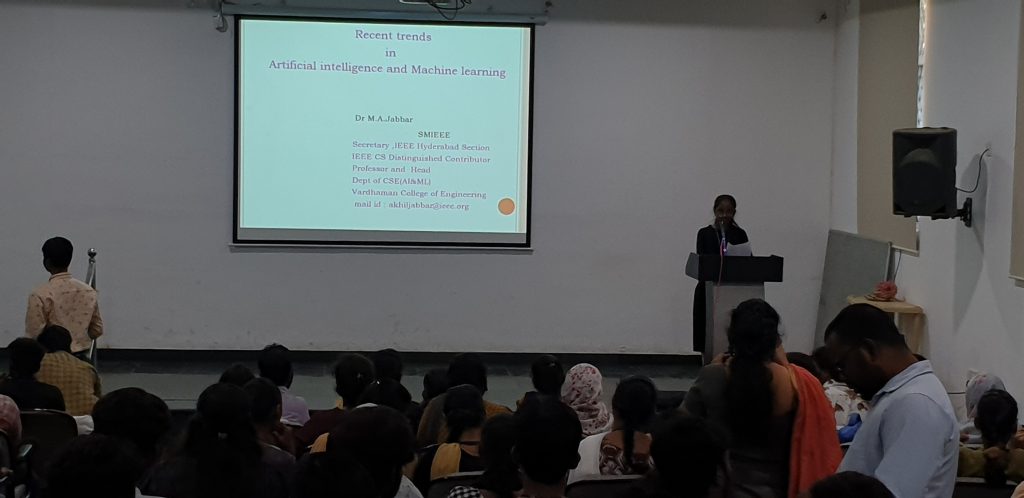
The department has the following student forums: the IEEE Computational Intelligence Society, Institution of Engineers (India), and Computer Society of India. Through these forums, the department organizes a variety of academic and technical activities to promote students’ learning and professional development. These activities include seminars, group discussions, coding contests, technical quizzes, paper presentations, and poster presentations. Additionally, the department conducts hackathons, mock interviews, guest lectures on emerging technologies, and app challenges to encourage innovation, improve technical skills, and prepare students for real-world industry challenges.
CSI Events for the Academic Year 2025-2026 Click Here
CSI Events for the Academic Year 2024-2025 Click Here
IEI Events for the Academic Year 2025-2026 Click Here
IEI Events for the Academic Year 2024-2025 Click Here
IEEE Events for the Academic Year 2025-2026 Click Here
IEEE Events for the Academic Year 2024-2025 Click Here
IEEE Events for the Academic Year 2023-2024 Click Here
IEEE Events for the Academic Year 2022-2023 Click Here
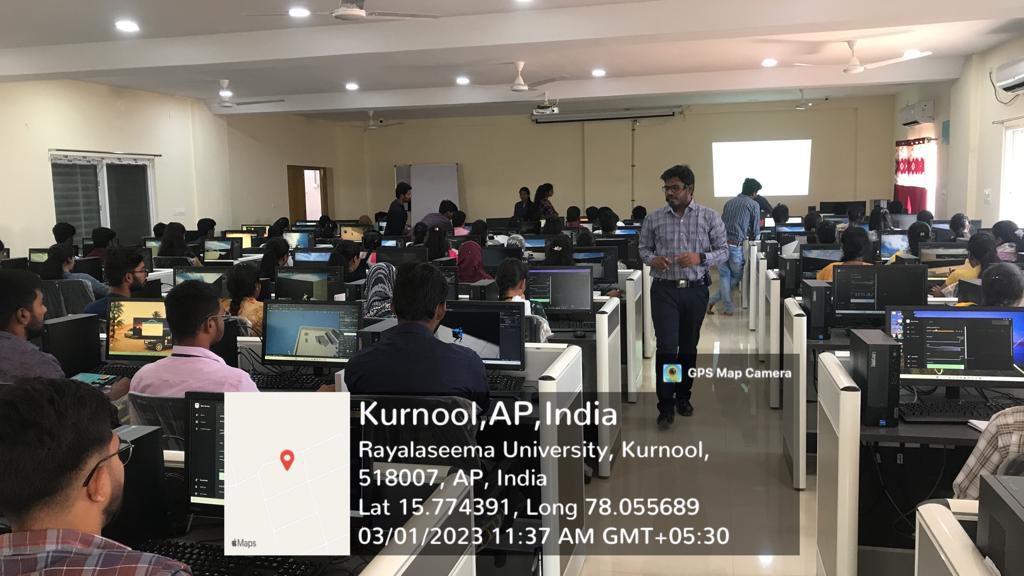
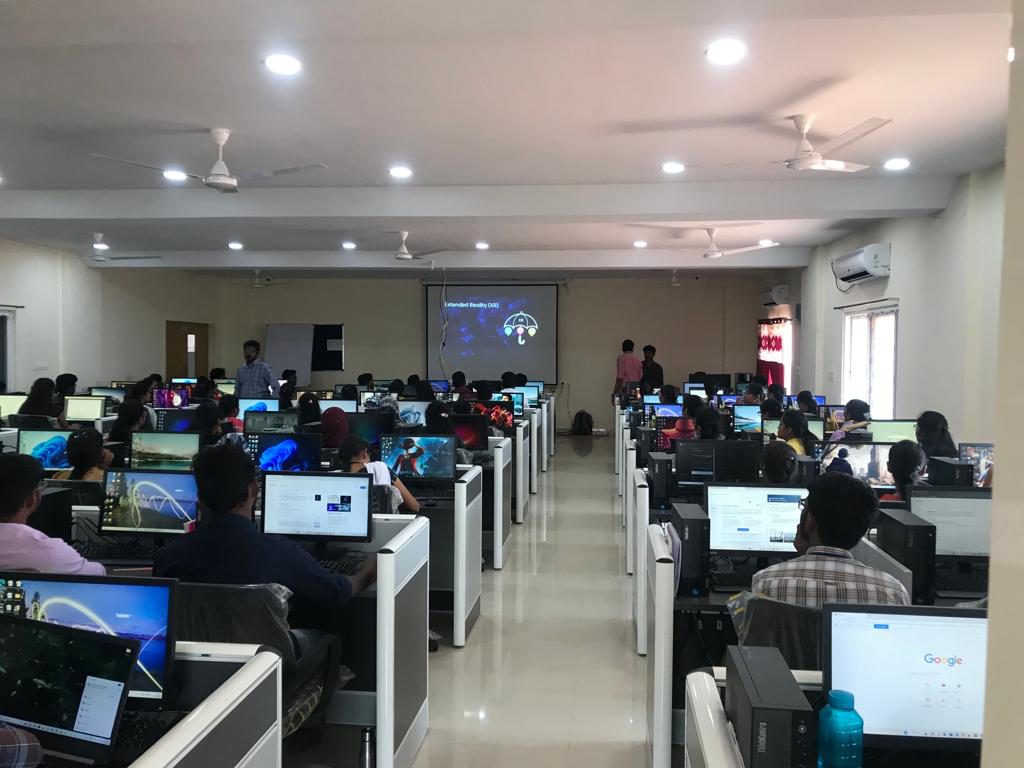
CSE- Artificial Intelligence and Machine Learning Department helps its students to enrich their abilities by encouraging critical thinking through programming skills. The department has well equipped laboratories to train students in order to advance their theoretical knowledge and sound practices of the profession.
CSM Lab1:
Equipped with latest configured DESKTOP PC’s ( Lenovo Think Center Neo 50S – i5 12th Generation processors, 16 GB RAM, 512 SSD and inbuilt Windows 11 Operating System ) with licensed softwares that enables the students to program in C, JAVA and Python etc.
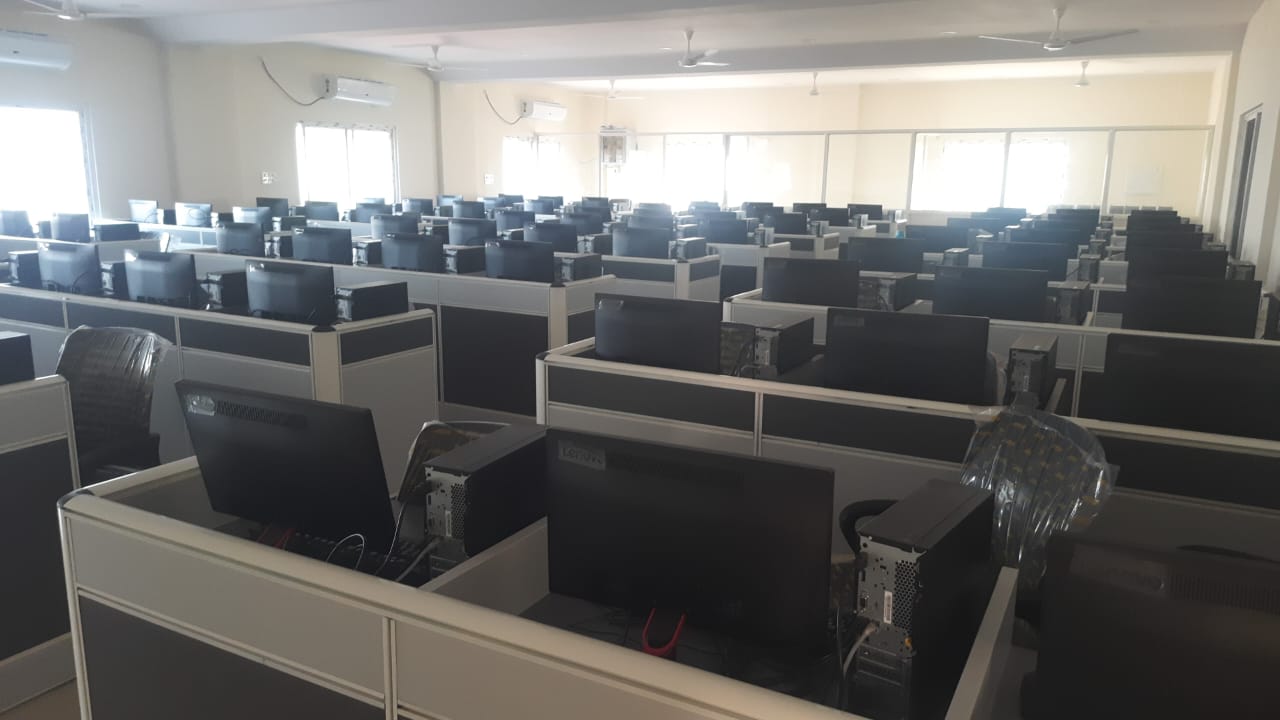 CSMLab2:
Equipped with latest configured DESKTOP PC’s ( Lenovo Think Center Neo 50S – i5 12th Generation processors, 16 GB RAM, 512 SSD and inbuilt Windows 11 Operating System ) with licensed software’s that enables the students to program in DBMS, Machine Learning and Data Mining etc.
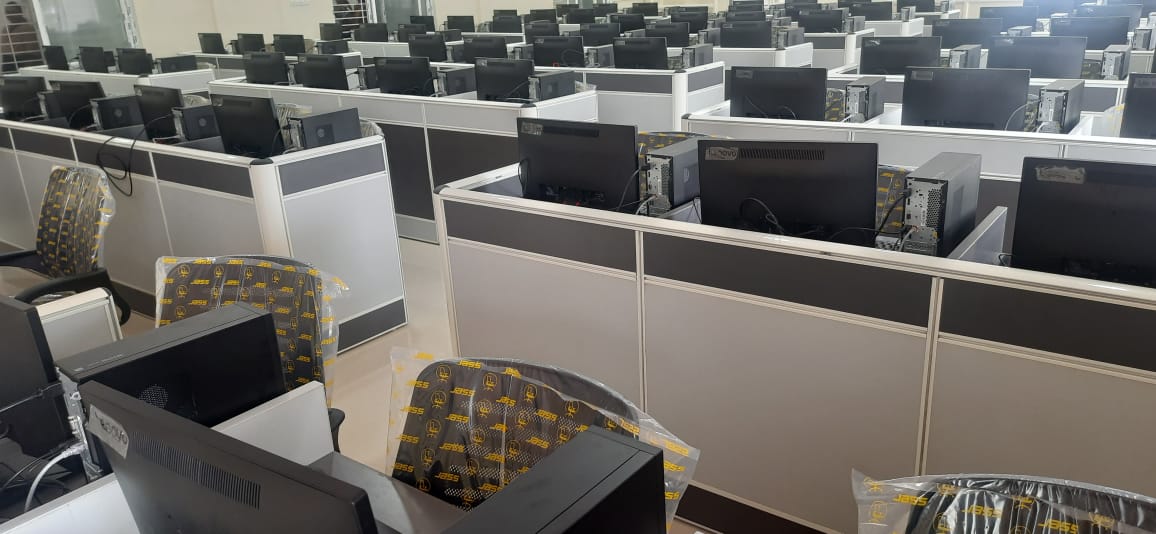
CSM Lab3:
Equipped with latest configured DESKTOP PC’s ( Lenovo Think Center Neo 50S – i5 12th Generation processors, 16 GB RAM, 512 SSD and inbuilt Windows 11 Operating System ) with licensed softwares that enables the students to program in C, JAVA and Python etc.
CSM Lab4:
Equipped with latest configured DESKTOP PC’s ( Lenovo Think Center Neo 50S – i5 12th Generation processors, 16 GB RAM, 512 SSD and inbuilt Windows 11 Operating System ) with licensed software’s that enables the students to program in DBMS, Machine Learning and Data Mining etc.
CSM Lab5:
Equipped with latest configured DESKTOP PC’s ( Lenovo Think Center Neo 50S – i5 12th Generation processors, 16 GB RAM, 512 SSD and inbuilt Windows 11 Operating System ) with licensed softwares that enables the students to perform Machine Learning, Deep Learning, NLP programs.
CSM Lab6(Intel Unnati Lab):
Equipped with latest configured DESKTOP PC’s ( Lenovo Think Center Neo 50S – i5 12th Generation processors, 16 GB RAM, 512 SSD and inbuilt Windows 11 Operating System ) with licensed softwares that enables the students to perform Machine Learning, Deep Learning, NLP programs.
CSM Lab7:
Lab 7 is used for conducting Trainings, Project & Internship Activities.
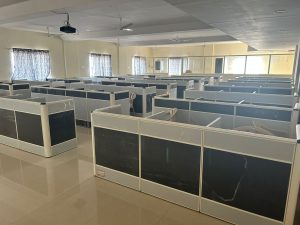
CSM Lab8:
Lab 8 is used for conducting Trainings, Project & Internship Activities.
Faculty Achievements Click Here
Student Achievements Click Here
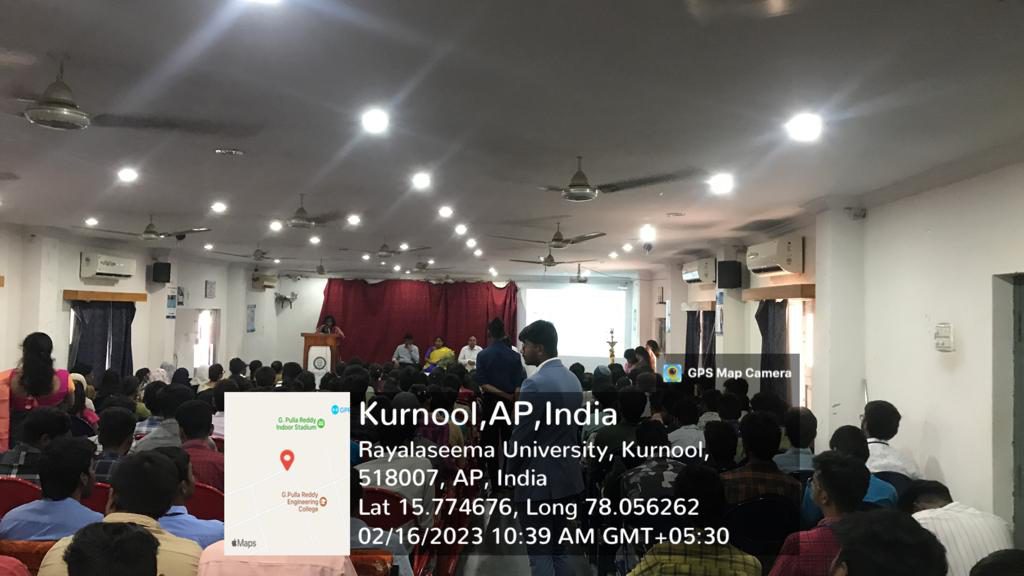
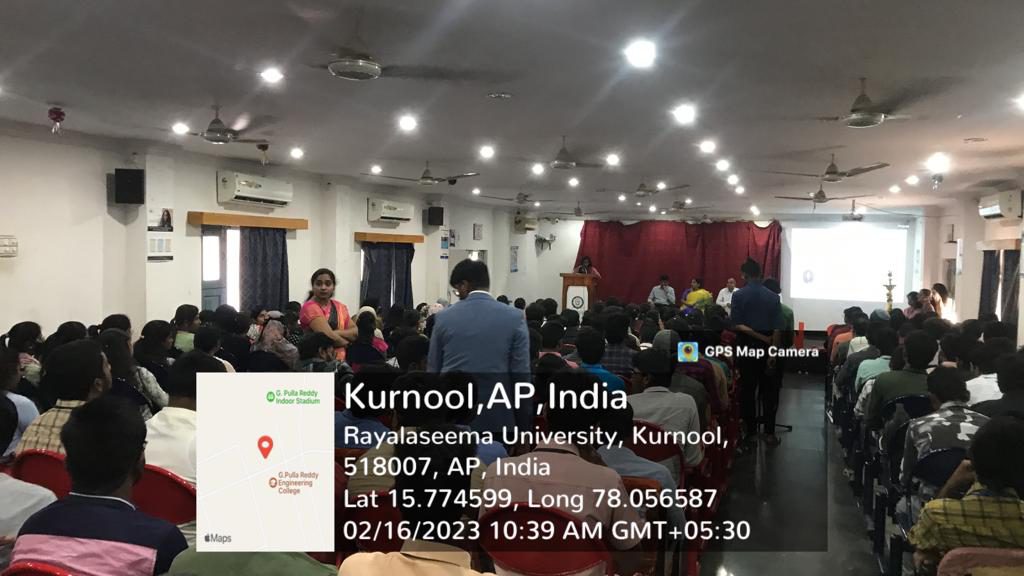
Subject Materials :
| S.No | Subject Name | Faculty Coordinator |
| 1. | Formal Language and Automata Theory | Dr. K.Ashfaq |
| 2. | Introduction to AI | V.Suresh |
| 3. | Software Engineering | O.Sirisha |
| 4. | Computer Organization and Architecture | S.Shabana Begum |
| 5. | Digital Logic Design | B.Varalakshmi |
Industry Interaction
Areas of possible cooperation to explore interactive avenues between academics and industry has led to mutually beneficial results. The academics without industries and its support is incomplete. Therefore the faculty members continuously interact with industries and dig out areas of cooperation so that the institute derives mileage in terms of projects, expert lectures and training programs for its students. The industry from this interaction is also benefited for getting support and expertise for testing, training and R&D related activities.
1. Wipro – Click Here
2. Infosys – Click Here
3. EPAM- Click Here
Innovative learning is the process of creating an atmosphere where students learn about new things regularly, question them, and think of new ideas on their own. It can also facilitate group explorations that can help in developing skills like learning from others, growing, and developing harmony amongst themselves, which will later help them in the future while managing a huge team as a Creative Leader. Teachers build the spirit and nature of the room. Innovative teaching ideas, which support learning, questioning, exploring, and taking risks, form the foundation of innovative education.
CodeTantra- Click Here
Innovation Teaching Methodologies – Click Here